

WAC710N Unit Intelligent Control Valve
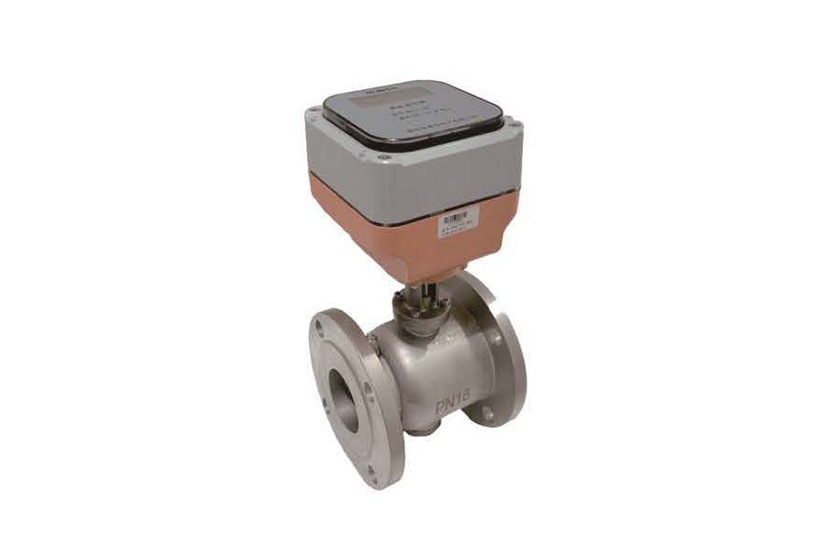
The WAC710N Unit Intelligent Control Valve is an HVAC-specific balancing control valve developed by our company. This control valve targets the control of return water temperature and valve opening, and can communicate with intelligent heat network balancing systems through built-in network modules. It can also achieve valve adjustment and reading through M-Bus interface and RS485 interface using GJ/T188 protocol and Modbus protocol communication, thereby achieving thermal balance.
FAQ
QWhat HVAC scenarios is the WAC710N Unit Intelligent Control Valve suitable for, and what problems does it primarily solve?
AIt is designed for heat network or terminal unit balancing and control scenarios in HVAC systems, focusing on influencing return water temperature and flow distribution by adjusting valve opening. It is suitable for systems requiring remote adjustment, online reading, and thermal balance management. Through integration with upper-level systems, it can reduce uneven heating and cooling and energy consumption fluctuations caused by hydraulic imbalance.
QWhat communication methods and protocols does the WAC710N support, and how can it be integrated into existing systems?
AIt can communicate with intelligent heat network balancing systems through built-in network modules and also supports common interfaces such as M-Bus and RS485. At the protocol level, it can adopt GJ/T188 protocol and Modbus protocol, facilitating integration with building automation, energy management, or heat network monitoring platforms. During actual integration, it is necessary to confirm the on-site bus type, address planning, and master station acquisition/control point mapping.
QWhen using the WAC710N to achieve thermal balance, what capabilities can be obtained from adjustment and reading respectively?
AOn the adjustment side, valve action control is performed with return water temperature and valve opening as targets, enabling dynamic balance according to system strategies. On the reading side, operation and control-related data can be obtained through communication interfaces, supporting remote monitoring, fault location, and strategy optimization. The combination of both can form closed-loop control, enhancing the visualization and controllability of system management.
