

WAC300N Residential Smart Control Valve
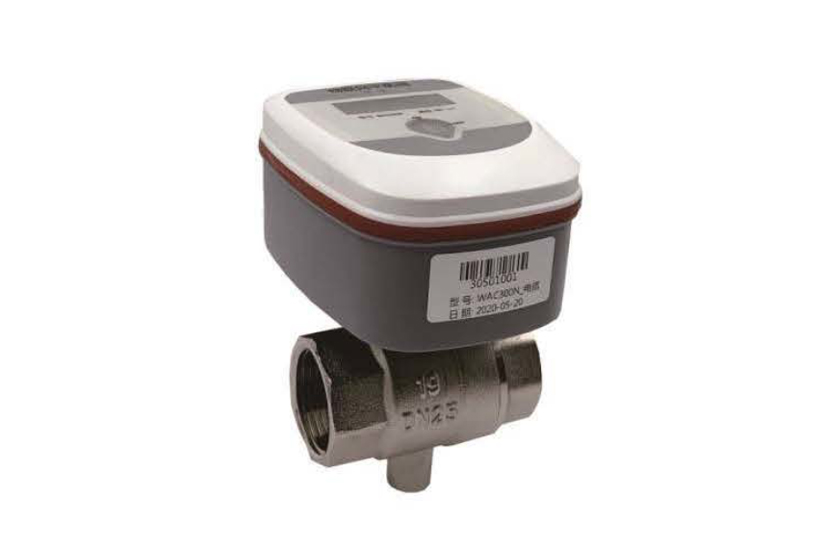
The WAC300N Residential Smart Control Valve is a specialized intelligent control valve designed for HVAC applications. This control valve aims to regulate return water temperature and valve opening degree, and can also communicate with intelligent heat network balancing systems through its built-in network module to achieve valve adjustment and accomplish heat balancing at the household level.
FAQ
QWhat problem in HVAC systems does the WAC300N Residential Smart Control Valve primarily solve?
AIt focuses on controlling return water temperature and valve opening degree as core functions to help achieve heat balancing at the household level. By regulating terminal flow and temperature, it can reduce uneven heating and fluctuations caused by imbalanced distribution. It is suitable for residential HVAC scenarios that require fine-tuned adjustment and stable operation.
QHow does the WAC300N achieve coordinated adjustment with intelligent heat network balancing systems?
AThe valve has a built-in network module that enables communication with intelligent heat network balancing systems. The system side can issue control strategies or adjustment commands, based on which the valve adjusts its opening degree and influences return water temperature. This coordination facilitates centralized monitoring and unified adjustment, enhancing controllability of household-level balancing.
QWhat conditions should be prioritized when selecting or deploying the WAC300N?
AFirst, clarify whether the control objective is return water temperature, valve opening degree, or coordinated control of both, and match it with the adjustment requirements of the on-site working conditions. Then verify whether integration with the intelligent heat network balancing system is needed, and whether the on-site network communication conditions can meet the requirements of the built-in network module. Finally, considering the installation location and operation & maintenance approach, plan parameter configuration, commissioning procedures, and subsequent management permissions.
