

WAC300NH Residential Intelligent Control Valve
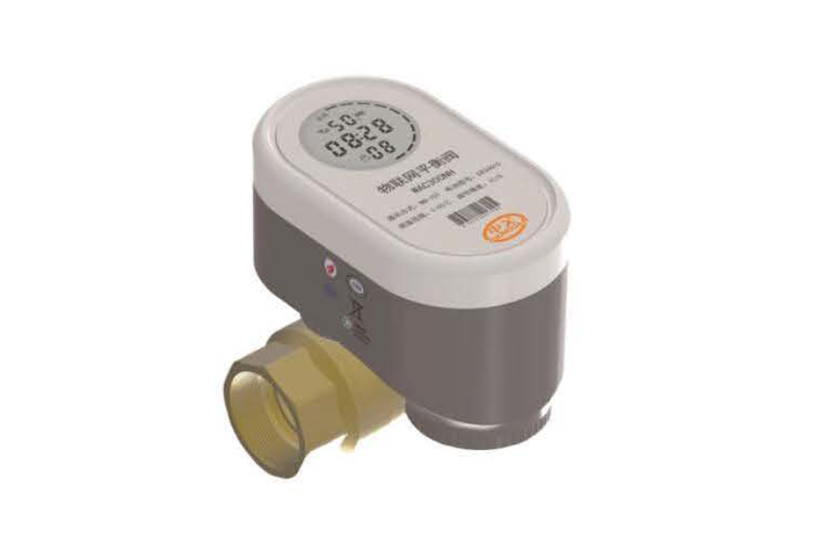
WAC300NH is an HVAC-specific balancing control valve for the heating industry, capable of remotely adjusting valve opening through opening degree control, return temperature adjustment, temperature difference adjustment, and time-based adjustment. It integrates an IoT module internally to communicate with intelligent heating network balancing systems, enabling valve regulation to achieve balanced heating at the user end.
FAQ
QWhat typical user-end heating problems can WAC300NH solve?
AIt is used for hydraulic and thermal balancing adjustment at the residential side, helping to alleviate issues such as insufficient heating at terminal points and uneven cold-hot distribution caused by unreasonable flow allocation. By adjusting valve opening through remote opening degree, return temperature, temperature difference, and time-based strategies, it makes heating more controllable. When integrated with system communication, adjustment actions can be incorporated into unified management, reducing dependence on repeated manual on-site trial adjustments.
QWhat adjustment methods does WAC300NH support and what scenarios are they suitable for?
AIt supports remote opening degree adjustment, return temperature adjustment, temperature difference adjustment, and time-based adjustment, used to refine valve opening control under different operating conditions. Scenarios requiring load matching by time period can use time-based adjustment; scenarios aiming to control based on return water temperature or supply-return temperature difference can use return temperature/temperature difference adjustment. The actual method adopted typically depends on site piping network structure, control objectives, and data available from the system side.
QHow does WAC300NH interface with intelligent heating network balancing systems, and what basic conditions are required?
AThe valve integrates an IoT module internally that can communicate with intelligent heating network balancing systems, receiving strategies from the system and feeding back operational status to achieve centralized regulation. Before integration, the on-site network and platform access method should be clarified, along with key parameters the system side needs to collect and use (such as temperature difference, return temperature, etc.). At the same time, adjustment strategies should be developed in combination with installation location and current heating system conditions to avoid conflicts with overall balancing objectives caused by relying solely on single-point valve adjustment.
