

Secondary Network Balancing Solution
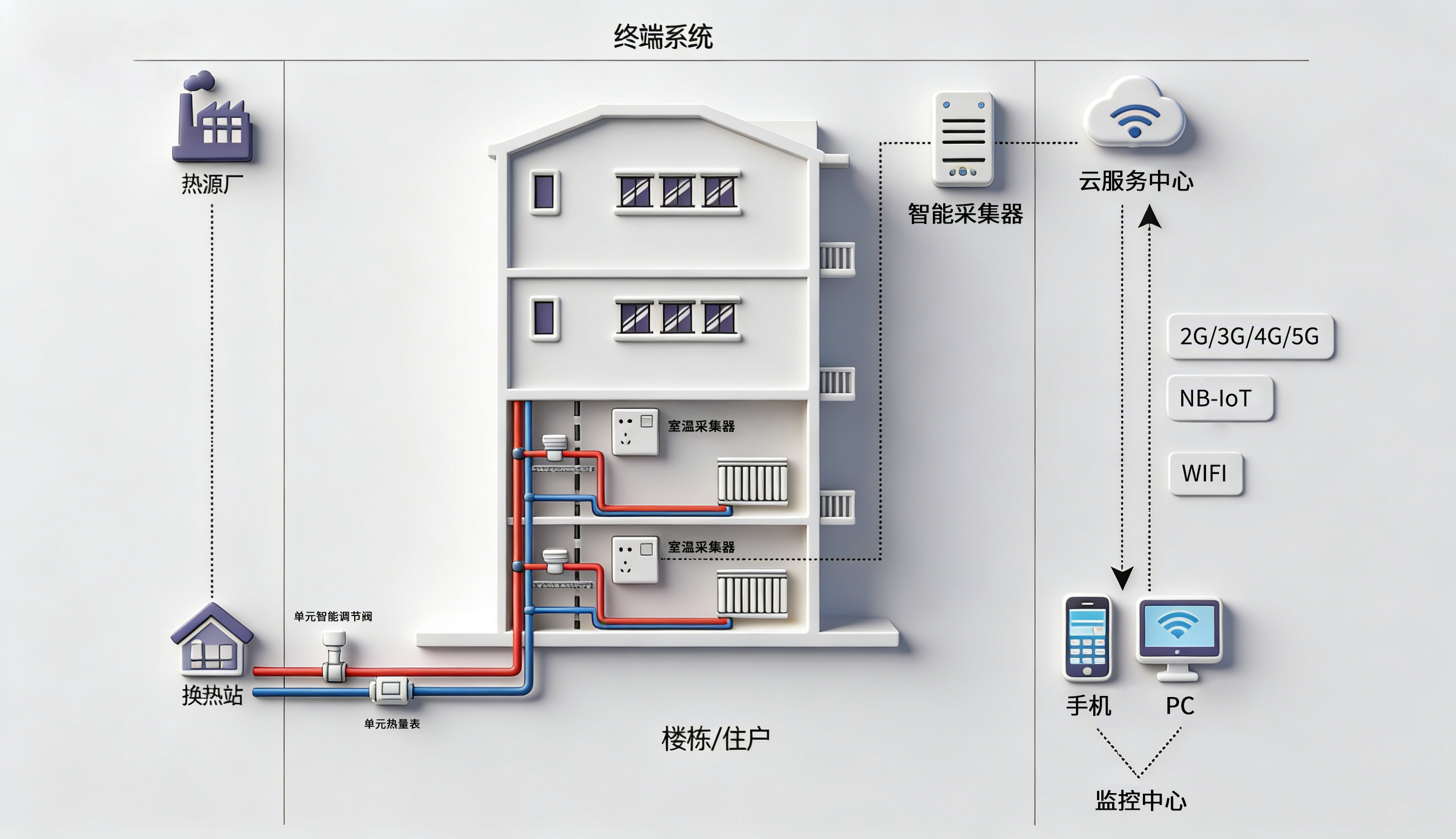
By deploying an intelligent balance control system at the end of the secondary network, hydraulic balance and thermal balance of the secondary network are achieved. Meanwhile, by centrally collecting indoor temperatures from residents, combined with outdoor weather data and historical data, intelligent calculation and analysis are performed to feed back control data to the heat exchange station system and achieve personalized control objectives. Ultimately, through data collection and analysis, real-time calculation and correction of heat source load are realized, optimizing the heat network dispatch, achieving both energy-saving and environmentally-friendly operation of the heat network and ensuring excellent heating effect for residents.
Secondary Network Balance Solution: Unit Intelligent Control Valve + Household Intelligent Control Valve
Solution Advantages
① Achieve automatic adjustment through secondary network balance system control software, reducing manpower while improving operation and maintenance accuracy;
② Greatly reduce the workload of secondary network system balance debugging, conveniently and quickly realizing dynamic balance of the secondary network system;
③ Adopt IoT communication technology to achieve low cost, low power consumption, low communication fees, and online monitoring and evaluation of balance effects;
④ Solve the problems of overheating at the near end and inadequate heating at the far end of the secondary network, as well as excessive water, electricity, and heat energy consumption.
Secondary Network Balance Solution Supporting Software Platform and Mobile APP
The secondary network balance system relies on multiple devices and systems to complete, and the main product architecture diagram is as follows:
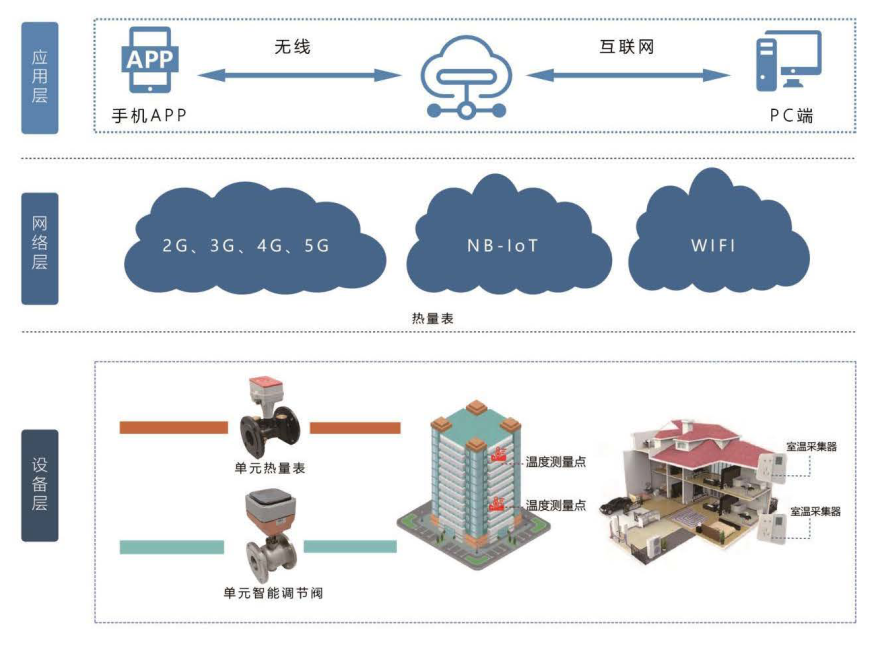
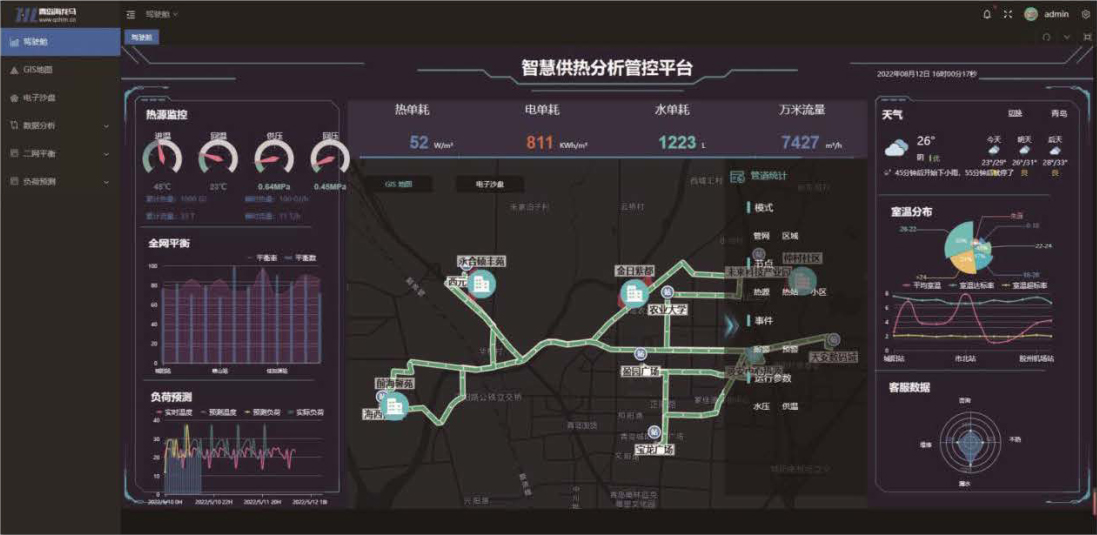
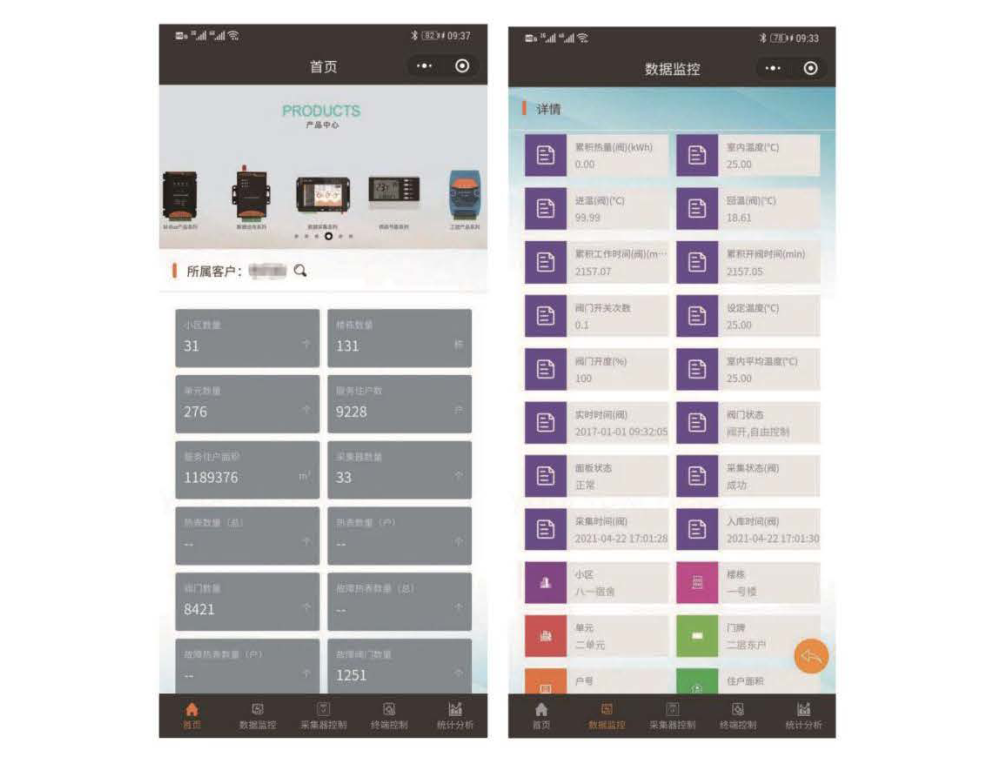
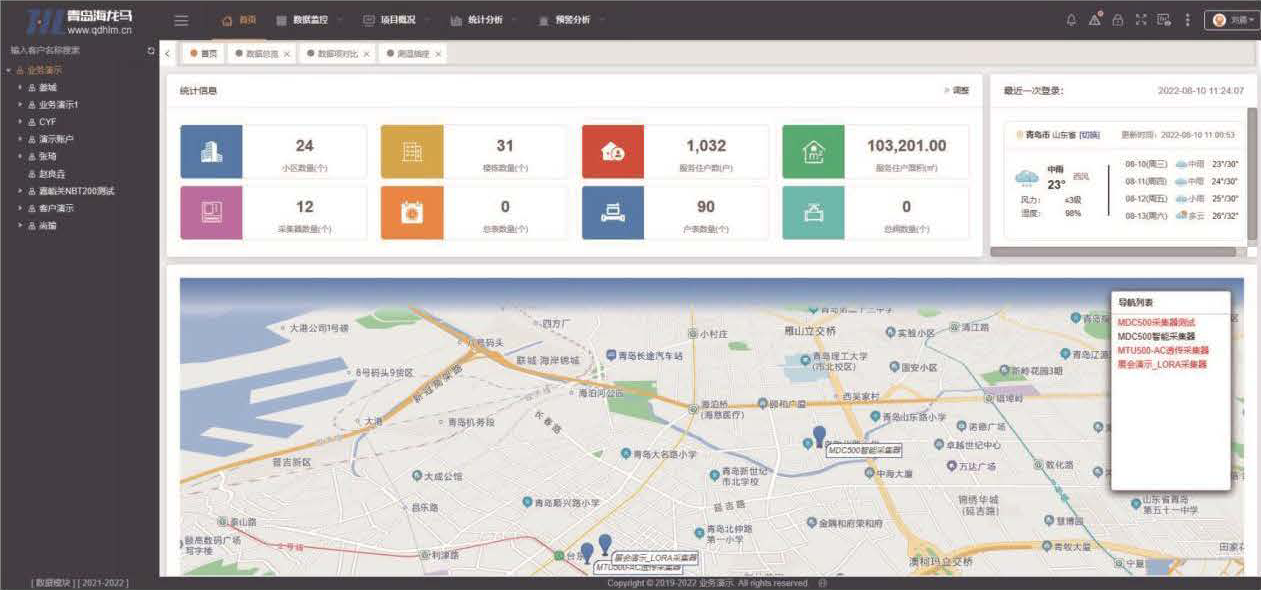
1. Cloud Platform Construction. At this level, our main consideration is whether the cloud platform can provide a friendly operation interface and visualized data while accommodating large amounts of data. Zhongguankeji Secondary Network Balance Cloud displays the temperature status of all residential areas through maps, including digital display of the regulation effects for each building. Debugging personnel can monitor the flow, heat, supply and return water temperature, valve opening, and indoor temperature at each monitoring point of the building thermal entrance in real time through mobile APP, and remotely adjust the valves at the building entrance.
2. Communication Layer Construction. In the secondary network balance regulation process, different communication methods need to be selected according to different locations, depending on local base station construction and operation conditions as well as on-site construction conditions. The communication layer must be compatible with various communication means and adaptable to ensure uninterrupted service in online regulation. Hailongma IoT Control Platform is an IoT platform that integrates data collection and data transmission. It aims to reduce the difficulty of IoT platform development, facilitate rapid access of terminals to the IoT, decouple devices from business, and support device access through multiple access methods and various communication protocols.
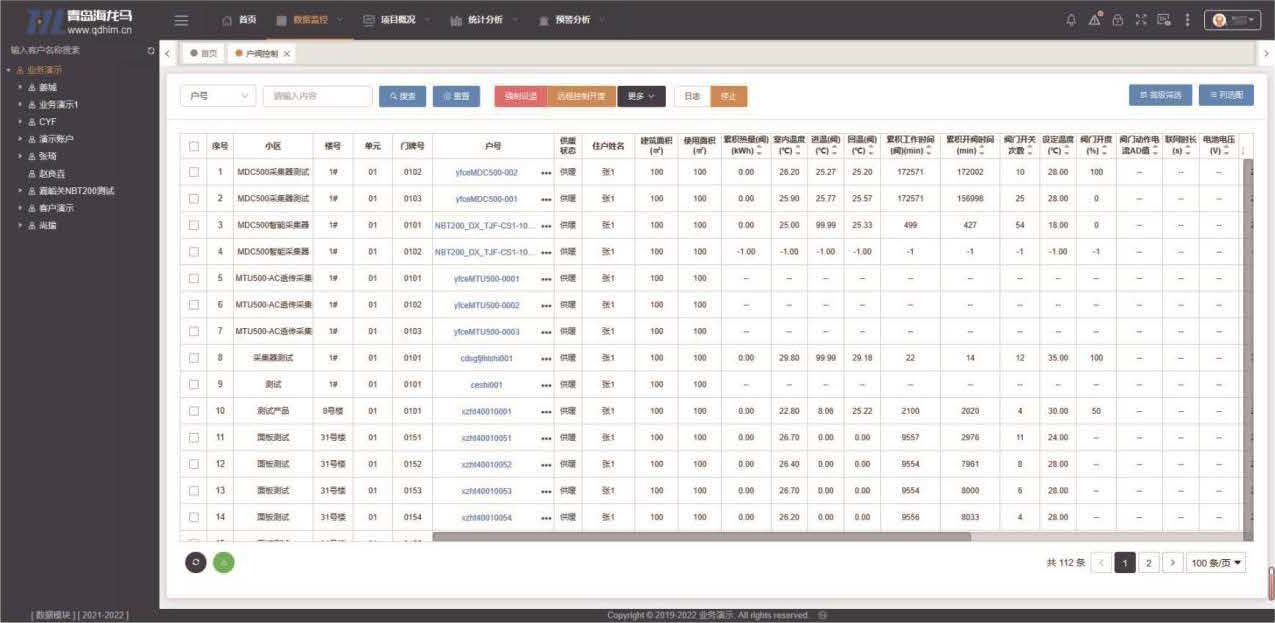
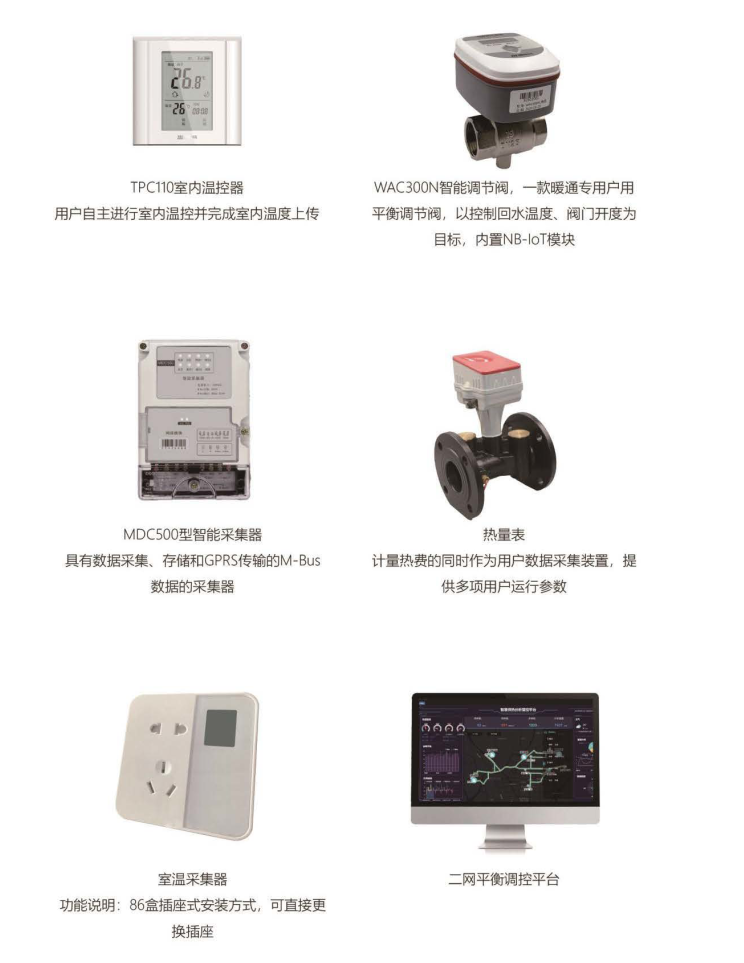
3. Equipment Layer. The secondary network balance solution involves unit intelligent regulating valves, household intelligent regulating valves, room temperature collectors, wireless temperature sensors, and communication equipment.
It mainly includes the following product sets
FAQ
QWhat are the core components and working mechanism of the Secondary Network Balancing Solution?
AThe core consists of unit intelligent control valves, household intelligent control valves, room temperature collectors/wireless temperature sensors, communication devices, as well as a cloud platform and mobile APP. The system collects flow rate, supply and return water temperatures, valve opening degrees, and resident room temperatures at the secondary network terminals, and incorporates outdoor weather and historical data for computational analysis. Analysis results are transmitted back to heat exchange stations and building entrance valves, forming an automatic adjustment closed loop to achieve dynamic hydraulic and thermal balancing.
QCompared with traditional manual commissioning, what improvements can this system bring in operation & maintenance and commissioning?
AThrough automatic adjustment by control software, it reduces reliance on manual inspections and manual valve operation frequency, while improving consistency and accuracy of regulation. Dynamic balancing capability can significantly compress the workload of secondary network balancing commissioning, making the commissioning process more visible and traceable. The platform supports online monitoring and evaluation of balancing effectiveness, enabling operation & maintenance personnel to locate problems based on data and continuously optimize parameters.
QWhy does the communication layer emphasize compatibility with multiple access methods, and how is selection typically made during implementation?
ASecondary network regulation requires continuous data collection and control command transmission; any communication interruption will affect monitoring integrity and remote adjustment effectiveness. Different residential complexes have significant variations in base station coverage, construction conditions, and operating environments, so the communication layer needs to be compatible with multiple communication methods and protocols to reduce deployment risks caused by changes in site conditions. Selection is typically constrained by site network conditions, stability requirements, power consumption, and communication costs, with priority given to platforms and solutions that ensure uninterrupted service and facilitate terminal access.
