

NTR300 Battery-Powered Temperature and Humidity Collector
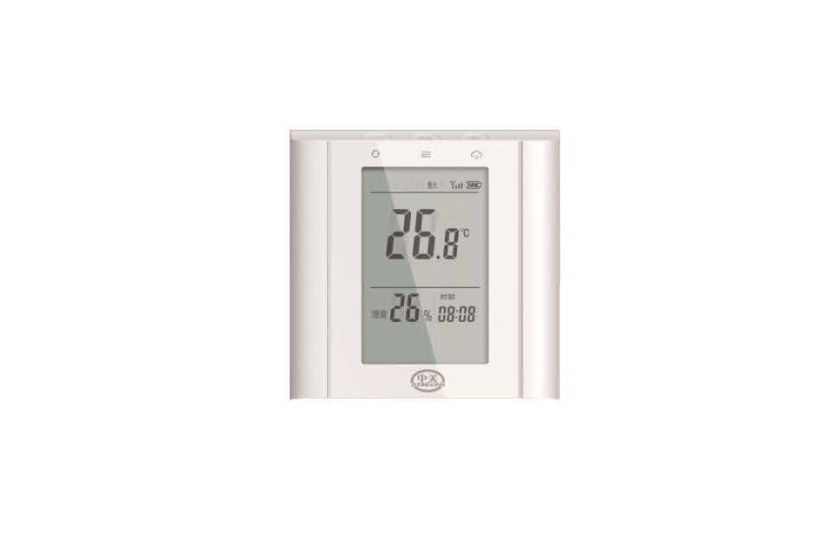
The NTR300 temperature and humidity collector integrates a network module and temperature-humidity sensors for the heating industry to monitor indoor temperature and humidity in residents' homes. It directly interfaces with heat energy consumption monitoring and balancing systems, providing real-time indoor temperature and humidity conditions to improve heating quality.
Users can promptly access the latest environmental temperature and humidity data remotely and receive timely alerts about abnormal environmental changes. The cloud computing center system processes and analyzes the data to provide accurate decision-making support. It can be integrated with secondary network balancing systems and heat exchange station automation systems to form a linkage mechanism, ensuring that room temperatures meet heating requirements.
FAQ
QWhat problems does the NTR300 temperature and humidity collector primarily solve in heating scenarios?
AIt collects actual indoor temperature and humidity from residents' homes and interfaces the data with heat energy consumption monitoring and balancing systems. Managers can remotely access real-time status and promptly detect abnormal fluctuations. Regulating based on real resident-side data helps improve heating quality and compliance rates.
QHow is NTR300 data integrated into systems and used for decision-making?
ATemperature and humidity data collected by the device is uploaded to the cloud computing center or related platforms through the built-in network module. The cloud processes and analyzes the data to form a basis for balancing and dispatching. Combined with the heat energy consumption monitoring and balancing system, resident-side feedback can be incorporated into the heating control closed loop.
QHow does the NTR300 achieve linkage with secondary network balancing systems and heat exchange station automation systems?
AIt provides real-time feedback signals of temperature and humidity from residents' rooms, which can serve as reference inputs for secondary network balancing and heat exchange station automation. The system side makes coordinated adjustments based on cloud analysis results, such as dynamically optimizing heating parameters. Through the synergy of feedback and regulation, it helps ensure that room temperatures meet heating requirements.
