

Ultrasonic Heat Meters — The Ideal Choice for Heat Metering
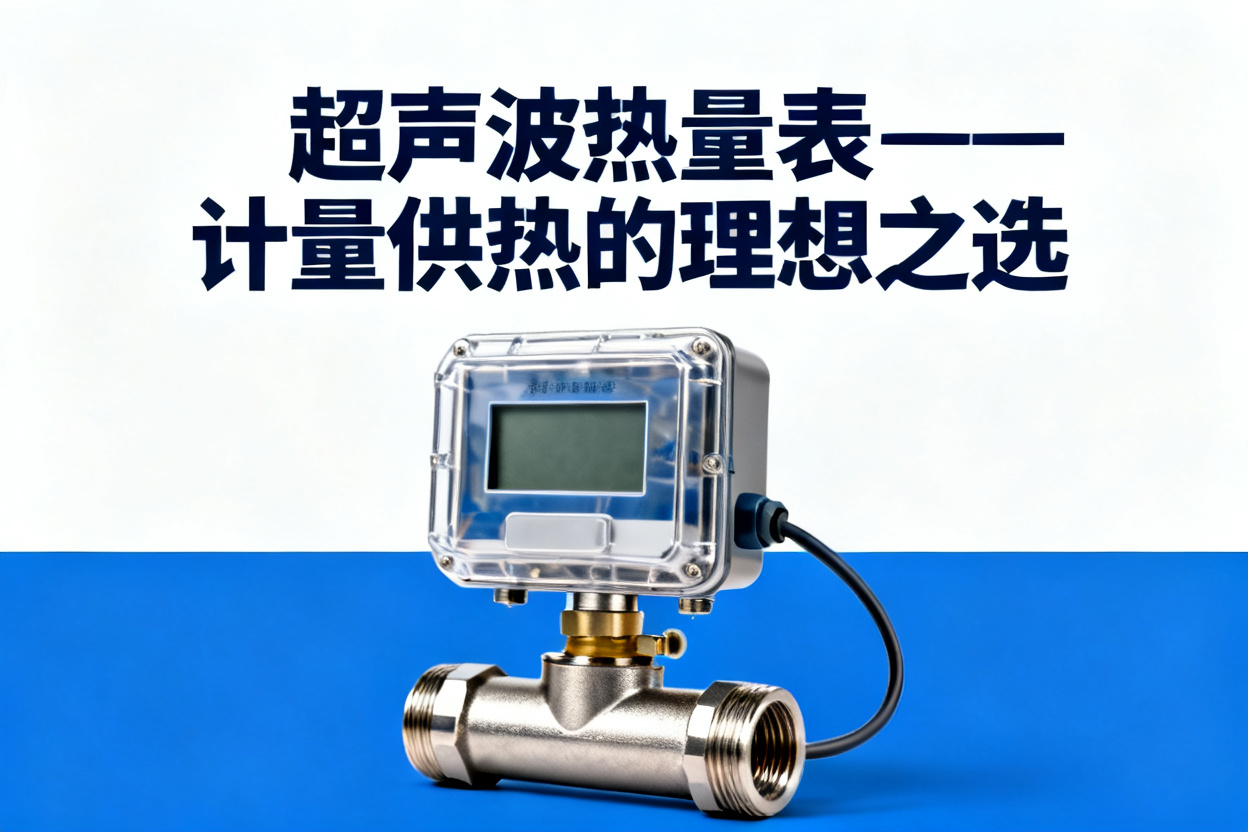
Ultrasonic Heat Meters - The Ideal Choice for Heat Metering
In the field of heat metering, accurate measurement has always been a pursued goal. Ultrasonic heat meters, as an advanced metering device, are gradually emerging and becoming the ideal choice for many heating systems. Baotou Zhongguan Environmental Protection Technology Development Co., Ltd. keeps pace with industry development trends, dedicates itself to the research and promotion of ultrasonic heat meters, and provides users with high-quality metering solutions.
Working Principle of Ultrasonic Heat Meters
Ultrasonic heat meters work mainly based on the characteristic that when ultrasonic waves propagate in a fluid, their propagation speed is affected by the fluid flow velocity. By measuring the time difference of ultrasonic wave propagation in downstream and upstream flows, the flow velocity of the fluid is calculated, and combined with parameters such as the cross-sectional area of the pipe and the temperature of the fluid, the heat consumption can be accurately measured. This measurement method has significant advantages such as no mechanical transmission parts, not easily worn, and high measurement accuracy.
Characteristics of Ultrasonic Heat Meters
First, high precision is a prominent feature of ultrasonic heat meters. They can accurately measure heat consumption, providing precise data for heating companies and users, helping to achieve fair and reasonable billing. Second, strong reliability. Due to the absence of mechanical rotating parts, the probability of failures is reduced, and they can operate stably for a long time. Furthermore, good adaptability. They can adapt to different water quality and working conditions, and can play a good role in various heating systems. In addition, ultrasonic heat meters also have intelligent features, enabling remote data transmission and monitoring, facilitating centralized management by heating management departments.
Application Scenarios of Ultrasonic Heat Meters
Ultrasonic heat meters are widely used in various centralized heating systems, such as residential communities, commercial buildings, and industrial plants. In residential communities, they can accurately measure the heat consumption of each household, enabling individual household metering and billing, and enhancing residents' energy conservation awareness. In commercial buildings, they can provide heat usage data for different tenants, facilitating reasonable cost allocation. In industrial plants, they help enterprises optimize energy management and reduce production costs.
Baotou Zhongguan Environmental Protection Technology Development Co., Ltd., with its professional technical team and rich production experience, has won the trust of numerous users for its ultrasonic heat meters with excellent performance and reliable quality. Choosing our ultrasonic heat meters means choosing an accurate metering and energy-saving heating solution.
FAQ
QHow do ultrasonic heat meters measure heating heat consumption?
AThey utilize the difference in propagation time of ultrasonic waves traveling downstream and upstream in the fluid to calculate flow velocity. Combined with pipe cross-sectional area and supply/return water temperature parameters, heat consumption data is calculated. Since they do not rely on mechanical transmission components, the impact of wear on metering stability is reduced.
QWhat are the main advantages of ultrasonic heat meters compared to mechanical metering devices?
AWith no mechanical rotating components, they experience less wear during operation, resulting in relatively lower failure probability and facilitating long-term stable operation. High measurement accuracy provides more traceable data support for heating companies and users, facilitating fair billing. They have strong adaptability to different water qualities and operating conditions, and support remote data transmission and centralized management.
QWhich heating scenarios are more suitable for deploying ultrasonic heat meters, and what management value can they bring?
AThey are suitable for residential communities, commercial buildings, and industrial plants in centralized heating systems. In communities, they can be used for household metering and consumption-based billing, promoting user energy conservation. In commercial buildings, they facilitate heat cost allocation by tenant, reducing disputes. In industrial scenarios, they can be used for energy accounting and heat consumption optimization, helping to control costs.
