

Baotou Zhongguan Environmental Protection Technology Development Co., Ltd. - What Should Heating Companies and Users Pay Attention to After the Heating Season Ends?
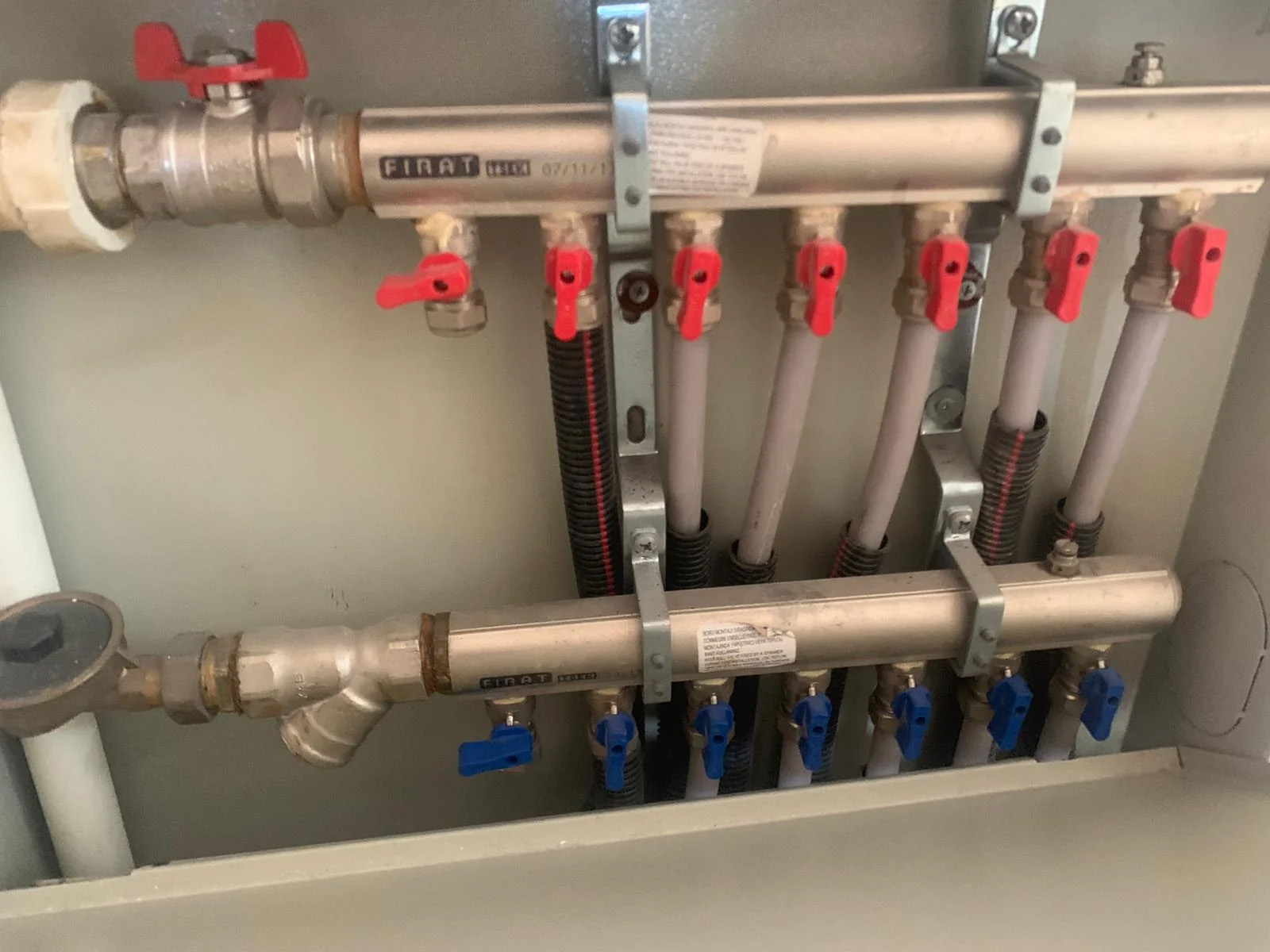
As the weather gradually warms up, northern regions are entering the heating shutdown period one after another. The heating equipment that has been working continuously for an entire heating season will also enter the maintenance period. So, after the heating ends, what do heating companies and heating users need to do to properly maintain the heating equipment and ensure it doesn't affect next year's heating performance?
1. Heating Users
1. Do the supply and return pipe valves at home need to be closed after heating stops?
Once heating ends, it is recommended that users promptly close the main valves of the supply and return pipes at home. First, this helps keep the radiators and pipes at home in a full-water wet preservation state, which is beneficial for extending the service life of the equipment. Second, it can prevent accidental leakage issues that cannot be handled in time due to no one being at home when water pressure testing occurs before the new heating season arrives.
2. What about the water in the radiators and pipes after heating stops?
After heating ends, users should not drain the water from the radiators and pipes. The water in the radiators and pipes is softened water, which can effectively isolate air from entering the radiators and pipes, thus extending the service life of radiators and pipes.
3. What to do if there is water leakage at the heating pipe joints?
After heating stops, as the temperature of the heating system decreases, seepage may occur at the joints and valves of the heating equipment due to thermal expansion and contraction. For slight seepage, you can use a container to collect water or tie a towel to absorb water, and observe carefully; most cases will disappear on their own after a few days. If the leakage is severe, please contact professional personnel for repair as soon as possible.
4. After heating stops, do heating facilities need inspection or renovation due to age?
After heating stops, in addition to regular inspection work, if your home heating facilities malfunction or have aged, such as radiators not heating, welding seams or connections leaking, surface deformation, etc., you should have professionals conduct inspection and maintenance. If necessary, new radiator equipment should be replaced before the next heating season.
It should be noted that since heating facilities contain some heating water, users who need replacement and installation should contact relevant professionals to renovate and repair home heating equipment. Do not dismantle heating facilities without authorization to avoid leakage caused by improper operation, which may cause you property loss.
2. Heating Company
1. Maintenance and upkeep work
After various heating equipment and facilities operate at high intensity for a long time, many equipment and facilities urgently need maintenance and upkeep. The heating company promptly formulates maintenance plans tailored to various equipment and facilities, focusing on maintenance and upkeep work for primary and secondary heat pipe network valves, plate heat exchangers, water supply pumps and other facilities within the jurisdiction, and scientifically and orderly carries out grinding, rust removal and oil maintenance work.
2. Inspection and maintenance work
Comprehensive inspection and maintenance of various equipment in the heating system is one of the important tasks during the non-heating period. Heating enterprises formulate corresponding technical measures according to the specific conditions of residential communities, eliminate equipment failure hazards, and prescribe appropriate remedies so that system equipment can operate normally when the heating season arrives.
3. Smart Heat Network Upgrade and Transformation
By conducting technical transformation and system upgrades to the smart heat network platform, the overall heating level can be improved, labor costs and energy consumption indicators can be reduced, and on-demand heating and precise heating can be achieved.
Baotou Zhongguanhuan Environmental Protection Technology Development Co., Ltd. is a high-tech enterprise specializing in providing smart heating informatization products and services. The company is committed to the research, development and application of energy-saving product technologies. It has independently developed a series of software and hardware products, and is able to provide thermal energy enterprises with advanced fully integrated smart heating solutions, solve the problems of uneven heating and high energy consumption among heating users in heating systems, and achieve the dual economic and social benefits of heating balance and energy conservation, reduced carbon emissions, and decreased complaints.
FAQ
QShould the main valves of the supply and return water pipes at home be closed after heating stops, and why?
AIt is recommended to close the main valves of the supply and return water pipes in a timely manner, which helps keep the radiators and pipes in a full water wet preservation state, reducing the risk of corrosion caused by air entry. It can also reduce the probability of leakage that cannot be handled in time due to no one being at home during water filling and pressure testing in the next heating season. Specific operations can be carried out according to the instructions of the heating unit in the community to ensure the valves are properly closed.
QDoes the water in radiators and pipes need to be drained after heating stops?
AGenerally, draining is not recommended. The water in the system is mostly softened water, and retaining the water can isolate air from entering the radiators and pipes, thereby delaying rust and extending service life. If renovation, disassembly or maintenance is required, professional personnel should be contacted to avoid leakage or damage caused by improper operation.
QWhat should I do if I find water seepage or leakage at radiator joints or valves after heating stops?
ASlight water seepage may occur due to thermal expansion and contraction after heating stops and temperature drops. You can first use a container to catch the water or use a towel to absorb it and continue to observe, as some situations will resolve on their own within a few days. If the leakage is large, continues to worsen, or affects walls and floors, you should contact professional maintenance personnel as soon as possible. Do not disassemble heating facilities by yourself to avoid greater leakage and property loss.
