

TPC110 Indoor Temperature Controller
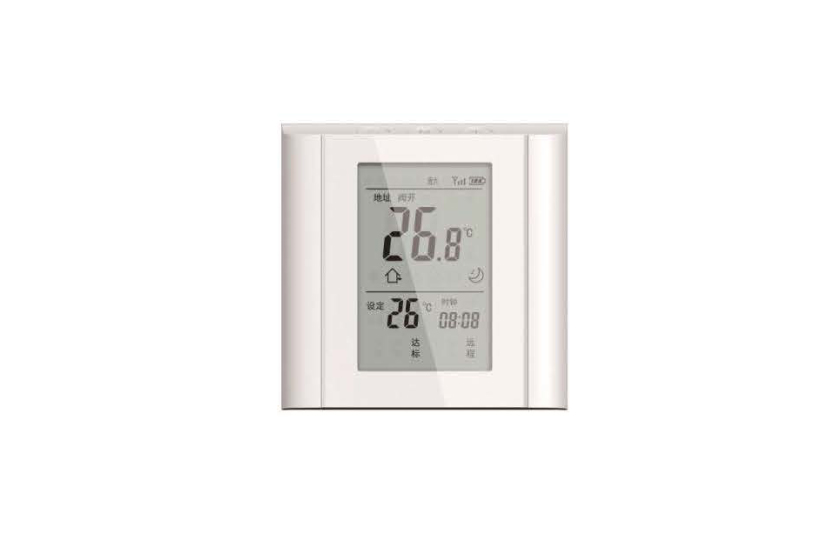
The TPC110 Indoor Temperature Controller is a product designed for controlling and regulating indoor temperature. This product works in conjunction with electric actuators to achieve control of room temperature. The indoor temperature controller is used together with electric valve actuators, and communication between the two is established through 470MHz wireless transmission.
FAQ
QWhat equipment does the TPC110 Indoor Temperature Controller need to work with to achieve temperature control?
AThe TPC110 is used for indoor temperature regulation and typically needs to work with electric actuators to complete the opening and closing adjustment of valves or related terminal devices. In practice, it is often used as a set with electric valve actuators, where the temperature controller issues control commands and the actuator executes the actions. When selecting models, it is necessary to confirm that the actuator's interface and control logic match the system requirements.
QHow do the TPC110 and electric valve actuators communicate and connect with each other?
AThe two communicate through 470MHz wireless transmission, allowing control commands to be transmitted without additional wiring. During deployment, attention should be paid to installation distance and on-site shielding interference factors to ensure signal stability. For scenarios with multiple devices, pairing and network management methods should also be planned to avoid miscontrol or cross-control.
QIn project integration, what indoor temperature control scenarios is the TPC110 suitable for?
AThe TPC110 is positioned as an indoor temperature control terminal, suitable for applications requiring room-by-room or zone-by-zone temperature regulation, such as zoned heating, fan coil units, or valve-controlled terminals. Its linkage method with actuators facilitates the implementation of closed-loop control between temperature settings and valve actions. During implementation, feasibility should be evaluated based on the type of on-site terminal equipment, control accuracy requirements, and wireless environment.
