

MDC500 Intelligent Data Acquisition Unit
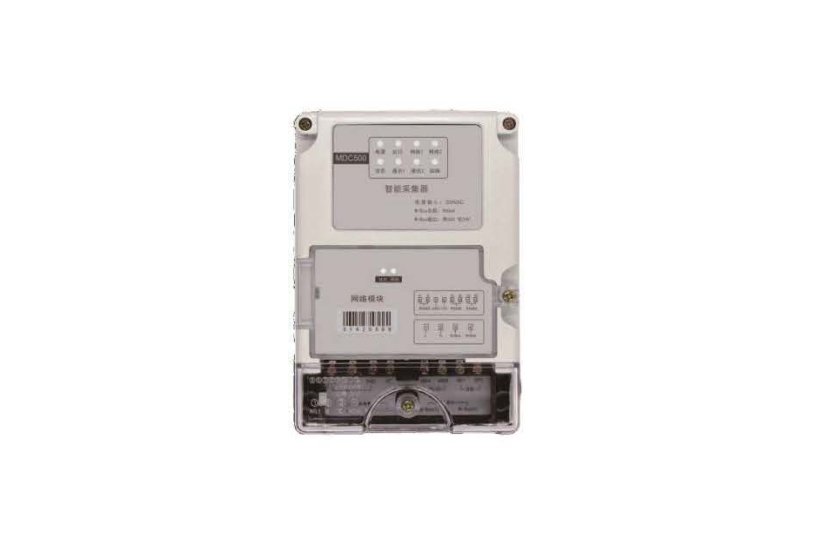
MDC500 is a storage-type data acquisition unit that integrates data collection, storage, and network transmission. This product supports data acquisition and control for terminal devices using CJ/T188-2004, EN1434, and EN1434-3 protocols, can flexibly add terminal protocols, and can realize centralized meter reading and control for water, electricity, gas, heat, valve and other terminal devices. MDC500 adopts a standard electricity meter collector housing, featuring convenient construction, stable reliability, high cost-effectiveness, and suitability for various application scenarios. It supports 1 M-BUS channel, 2 RS485/1 RS485 and LoRa channels, and is equipped with remote upgrade functionality.
FAQ
QWhat types of terminal devices can MDC500 connect to and manage?
AMDC500 is designed for centralized meter reading and control scenarios for water, electricity, gas, heat, valve and other terminal devices. It supports data acquisition and control for devices compliant with CJ/T188-2004, EN1434, and EN1434-3 protocols. Terminal protocols can also be flexibly added according to project requirements to facilitate expansion of compatibility range.
QWhat interfaces and communication methods does MDC500 have, and what site conditions is it suitable for?
AMDC500 supports 1 M-BUS channel and provides 2 RS485 interfaces, while also featuring RS485 and LoRa channels for deployment under both wired and wireless conditions. When site wiring conditions are favorable, RS485 or M-BUS can be prioritized to improve connection stability. When wiring is limited or connection points are dispersed, LoRa can be integrated to achieve more flexible coverage and networking.
QWhat should be the key focus when deploying MDC500 for engineering implementation and subsequent maintenance?
AThe product adopts a standard electricity meter collector housing, with installation methods closer to common meter equipment construction practices, facilitating rapid deployment. During project implementation, terminal protocol matching, bus topology and address planning, as well as on-site power supply and protection conditions need to be confirmed. For subsequent maintenance, remote upgrade capabilities can be utilized to reduce on-site operation frequency, while stability and security strategy configuration should be implemented in conjunction with network transmission links.
