

Baotou Zhongguan Environmental Protection Technology Development Co., Ltd.
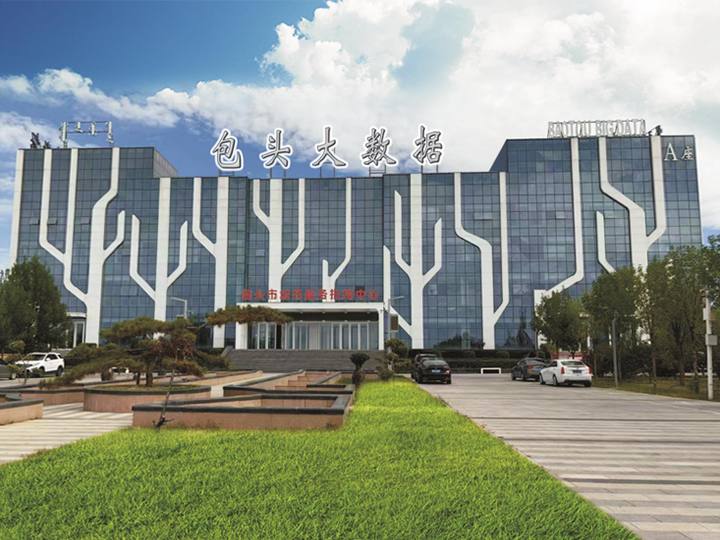
Baotou Zhongguan Environmental Protection Technology Development Co., Ltd. (referred to as "Zhongguan Environmental Protection") was established in 2012 and is headquartered in Baotou City, Inner Mongolia Autonomous Region. It is a technology-oriented small and micro enterprise focusing on energy-saving and environmental protection technology development and smart heating solutions. Since its establishment, the company has gradually formed a software and hardware product system with independent research and development as its core. Its business covers smart heating technology applications, energy-saving and environmental protection equipment development, water-electricity-heating installation projects, and supporting materials sales across multiple fields. In recent years, relying on its technical accumulation in hydraulic balancing of heating systems, temperature control metering, and energy consumption management, the company has provided practical energy-saving and carbon-reduction tools and comprehensive technical services for heating enterprises and end users.
In terms of core technology, Zhongguan Environmental Protection has developed three main solutions around the actual operational pain points of heating systems. The secondary network balancing solution deploys unit intelligent regulating valves and household intelligent regulating valves at the network terminals, combined with room temperature sensing and meteorological data, to achieve dynamic hydraulic regulation of secondary pipe networks. This helps alleviate the common problem of uneven heating and cooling in heating systems and reduces ineffective heat loss. The integrated temperature control and metering solution is based on household heat metering technology, allowing users to independently set room temperatures through wireless temperature control panels. The system automatically regulates valve opening/closing or opening degrees accordingly, linking heat metering with terminal control to support the implementation of "on-demand heating, usage-based billing" models. The on-off time-area method solution calculates each household's heat consumption based on parameters such as total heat supply, user heating area, and set heating duration, balancing initial installation and operation maintenance costs, and is suitable for energy-saving renovations of existing residential communities. In addition to the above solutions, the company also provides supporting hardware equipment such as heat meters, intelligent valve controllers, temperature sensors, and remote communication modules, as well as a self-developed backend data management and control platform.
In terms of intellectual property and R&D accumulation, the company's independently developed "A Heat Meter with Water Loss Prevention and Alarm Function" has been granted a utility model patent by the National Intellectual Property Administration and received authorization announcement in 2025. This patented technology integrates liquid level sensors and alarm circuit modules into heat meters, aiming to assist heating systems in monitoring and warning abnormal conditions such as pipeline water loss, helping to improve the safety of heating operations and the completeness of data feedback. Additionally, the company continuously conducts product upgrades and functional iterations around heat meter R&D and smart heating business. In January 2021, the company successfully registered the Class 9 "Zhongguan" trademark, with approved products including water meters, calorimeters, flow meters, remote control devices, and electrical control equipment for heating management, further strengthening brand protection in the smart heating business sector.
From an operational history perspective, since its registration and establishment in 2012, the company has been engaged in energy-saving and environmental protection product development and building supporting services. In recent years, it has gradually invested in the R&D of smart heating product lines and has achieved application in multiple projects. Based in Baotou and facing northern heating regions, the company is committed to providing practical hydraulic balancing and energy-saving control tools, while continuing to undertake traditional businesses such as water-electricity-heating installation, hardware and electrical sales, and building auxiliary materials sales. In the future, the company will continue to improve product reliability and service capabilities based on existing technology, and continue to provide technical support for energy conservation and carbon reduction in the heating industry.
FAQ
QIn smart heating projects, what operational problems does the secondary network balancing solution mainly address?
AThis solution addresses common problems in secondary pipe networks such as uneven heating and cooling and insufficient terminal pressure differential. By deploying intelligent regulating valves at network terminals and household ends, it achieves dynamic hydraulic regulation. Combined with room temperature sensing and meteorological data, it can automatically adjust flow distribution according to load changes, reducing ineffective circulation and heat loss caused by over-supply. It is more suitable for pipe network scenarios that need to improve heating uniformity and refined control.
QHow does the integrated temperature control and metering solution support on-demand heating and usage-based billing?
AThe solution is based on household heat metering, linking heat metering with terminal valve control. Users can set target room temperatures through wireless temperature control panels. The system automatically regulates valve opening/closing or opening degrees based on the set values, matching heat supply with actual demand. Metering data and control strategies are synchronized, providing technical support and data foundation for subsequent usage-based billing management models.
QWhen conducting energy-saving renovations in existing communities, how should one choose between the on-off time-area method and household heat metering?
AThe on-off time-area method allocates to households based on parameters such as total heat supply, heating area, and heating duration. It usually emphasizes renovation implementation and controllable comprehensive costs, making it suitable for scenarios such as energy-saving renovations in existing communities. Household heat metering relies more on terminal equipment such as metering and valve control, with higher precision, suitable for projects hoping to promote on-demand heating and more refined management. Actual selection needs to comprehensively evaluate building pipe network conditions, renovation budget, operation and maintenance capabilities, and billing policy requirements.
